
Choosing between cloud ERP and on-premise ERP is one of the most important decisions when adopting a new operational system. Each option has its advantages depending on your organisation’s size, IT environment, security requirements, and long-term plans.
This guide breaks down the key differences — and helps you choose the right model for your business.
What Is Cloud ERP?
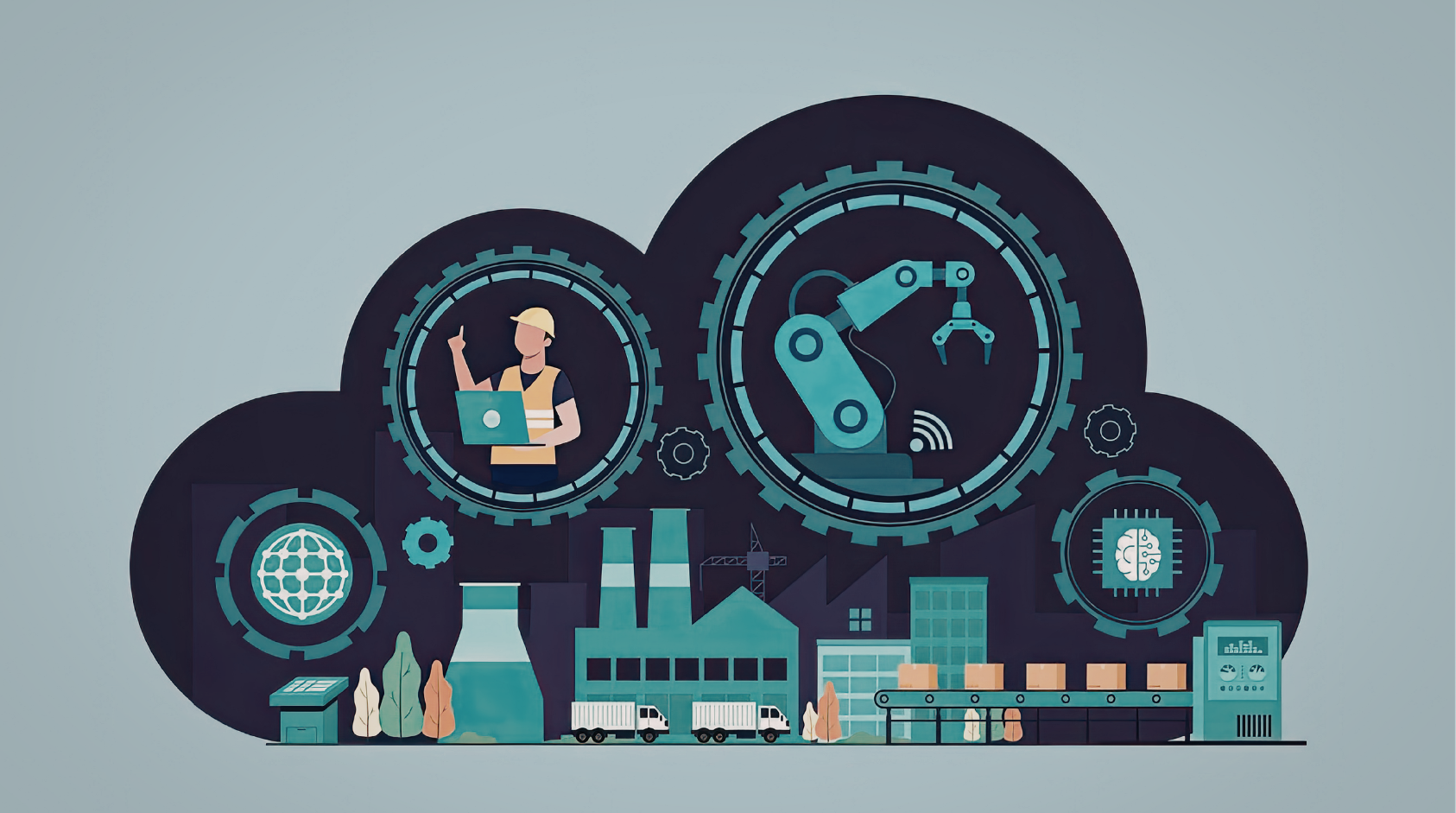
Cloud ERP systems are hosted on external servers and accessed via the internet. They offer flexibility, scalability, and reduced maintenance responsibility.
Key Advantages:
- Lower upfront cost
- Fast deployment
- Accessible from anywhere
- Automatic updates
- Scales easily with demand
Possible Considerations:
- Dependent on stable internet
- Data stored off-site
- Subscription-based costs
What Is On-Premise ERP?
On-premise ERP is installed on your own servers and maintained by your internal IT team. It offers full control but requires more resources and infrastructure.
Key Advantages:
- Full control over data
- Ideal for strict security policies
- Can operate without internet
- Customisable infrastructure
Possible Considerations:
- Higher upfront investment
- Requires internal IT support
- Longer deployment
- Hardware maintenance costs
Choosing the Right ERP Deployment Model
Selecting between cloud ERP and on-premise ERP depends on your IT environment, security needs, operational structure, and long-term strategy. The table below helps you compare which option aligns best with your organisation.
When to Choose Cloud ERP
- Fast setup
- Remote access from anywhere
- Lower initial cost
- Scalable infrastructure
- Minimal maintenance burden
- Best for: Small-to-mid sized businesses or multi-location teams
When to Choose On-Premise ERP
- Complete control over data
- Strict compliance requirements
- Air-gapped or offline environments
- Dedicated internal IT teams
- Ideal for defence, aerospace & high-security sectors
- Best for: Highly regulated or security-sensitive organisations
Hybrid ERP: The Middle Ground
Many organisations now adopt hybrid models combining secure on-premise data storage with cloud-based interfaces or reporting tools. This offers flexibility without sacrificing compliance.
There is no one-size-fits-all answer. The right choice depends on your IT strategy, security requirements, operational complexity, and long-term goals. What’s important is selecting a model that supports your workflows and scalability, not one that forces you into rigid constraints.